Bowie, Maryland
Yard Debris Removal in Bowie, MD
Yard Debris Removal in Bowie, Maryland, with published load ranges up front, the volume confirmed on site, and the figure settled before loading begins.
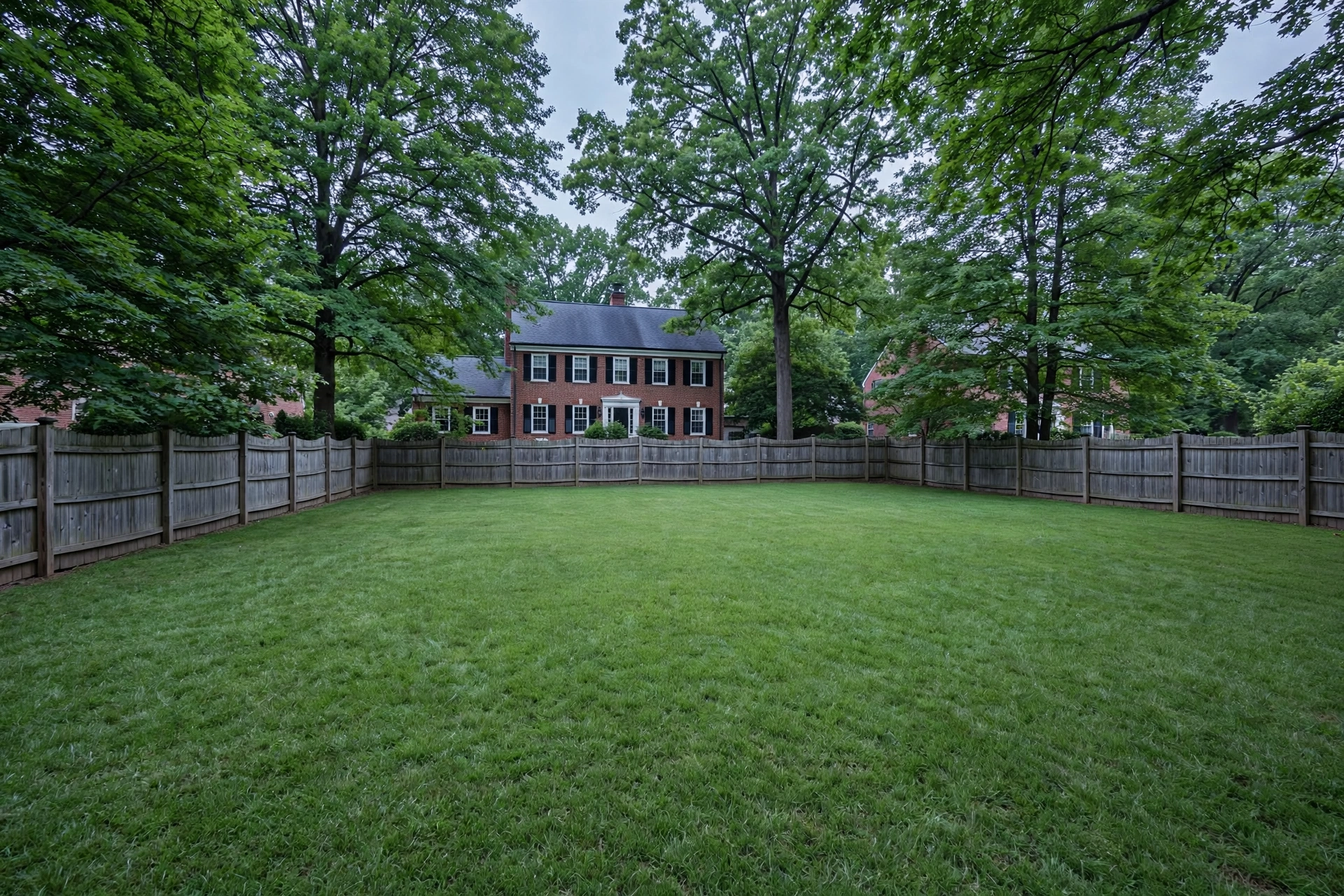
Bowie, Maryland
Yard Debris Removal in Bowie, Maryland, with published load ranges up front, the volume confirmed on site, and the figure settled before loading begins.
A Bowie yard can change in a single season. Branches come down in a summer storm, a fence reaches the end of its life, brush creeps in from the back line, and the pile by the shed grows every weekend.
We haul yard debris for homeowners across Bowie, including the older streets of Old Town Bowie, where mature trees drop heavy limbs and lots carry decades of accumulated outdoor material. You show us the pile, or the several piles. We load them, and the yard goes back to being a yard.
Fallen branches and cut brush make up most loads. Limbs from oaks and maples, hedge trimmings, and tangled vines all go in, along with bagged leaves and grass material that has sat too long for regular collection.
Old fencing is another regular. Rotted wood panels, split rails, and chain link sections come out of back yards all over the city, often with posts still attached to chunks of concrete.
Outdoor project leftovers finish many loads. Broken pavers. A collapsed firewood stack mixed with rotted logs. Cracked storage bins and the remains of a garden bed rebuilt three times. If it is non-hazardous and sits outside, it likely belongs on our load.
Most jobs start curbside or at the back gate, depending on where the material sits and where we can load without tearing up the lawn. Dragging brush across wet ground makes a mess of its own, so we plan the path out before the first armful moves.
Heavy pieces set the pace. Concrete chunks and waterlogged logs need short trips and steady lifting, while brush loads fast but fills space quickly. What stays gets pointed out at the start: good firewood, tools, and planters stay put while everything around them leaves.
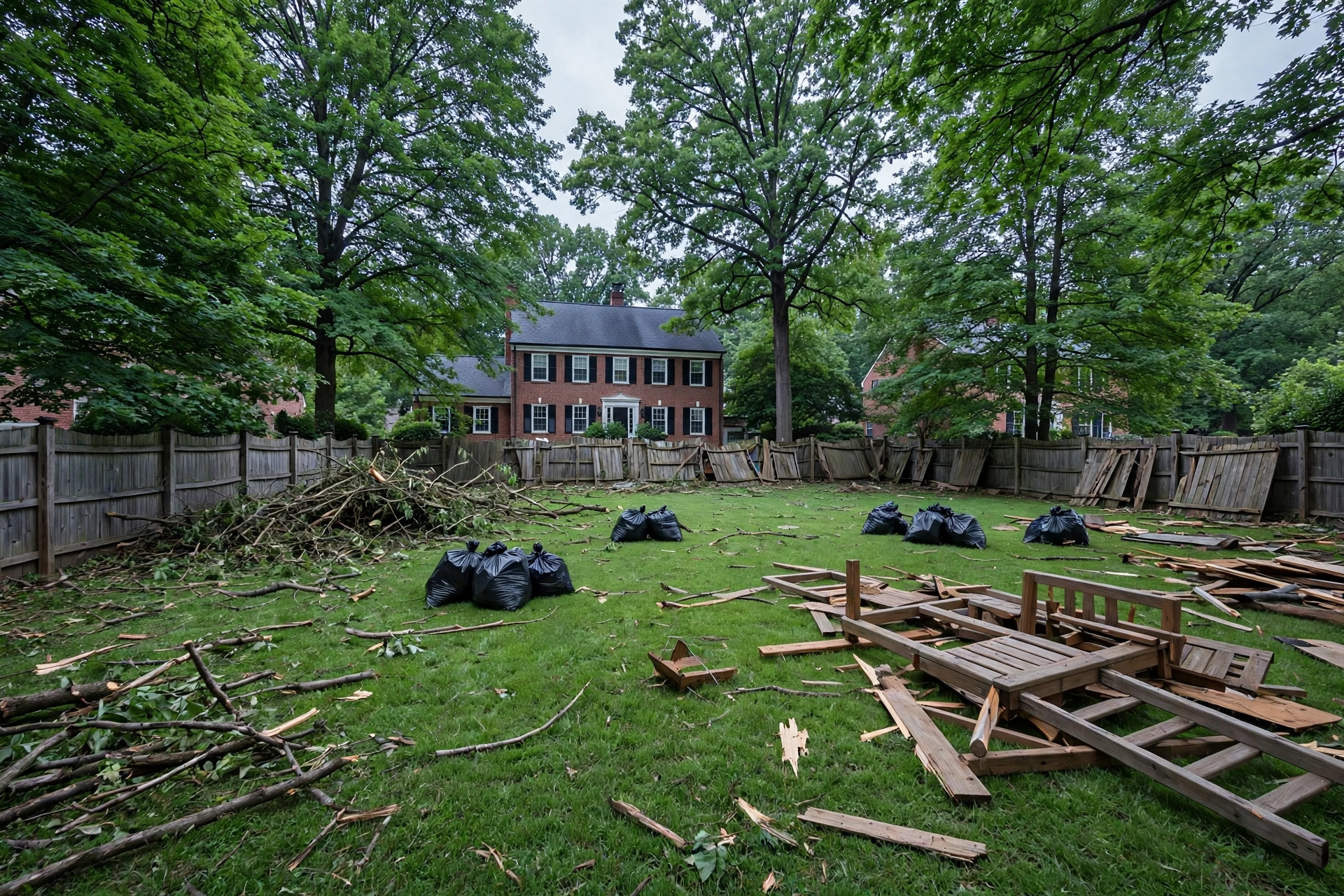
A back yard in Old Town Bowie held a large brush pile from a downed limb, stacked branches along the fence line, and a section of rotted wood fencing that had fallen flat. We loaded the brush and limbs first, then the fence panels and posts, and finished with bagged leaves stored behind the shed. The yard was left clear from the back gate to the tree line.
Yard debris is priced by how much space it takes up and how much it weighs. Published figures describe the market this way: one operator serving the region publishes loads starting at $100, regional minimums are around $125, a quarter load is about $265, and a full load is about $695. Treat those as published figures for orientation, because no Bowie company publishes a full local price list of its own.
Most single property debris jobs in Bowie fall in the $135 to $385 range. Bagged leaves and a modest brush pile sit low. A fence tear out with concrete footings, or several piles across a big lot, moves the figure up. County disposal fees are charged by weight and sit inside every load price, confirmed with you on site before loading.
We treat a yard job like a clearing job, not a scavenger hunt. One pass, pile by pile, until the ground underneath shows again. Gates get closed behind us, and loose twigs left from loading get gathered rather than scattered across the grass.
What happens after loading depends on the material. Clean brush and green waste can go toward county green waste and composting streams, and mixed debris goes to disposal through the county system.
Published figures show loads starting at $100 from one operator serving the region, regional minimums around $125, about $265 for a quarter load, and about $695 for a full load. Most Bowie yard jobs land between $135 and $385, based on volume and weight confirmed on site.
Bagging helps but it is not required. Bagged material loads faster, while loose piles are fine too. Tell us what form the debris is in when you send the form.
Yes, wood panels, split rail sections, and chain link fencing all go, including posts. If posts are set in concrete, say so in advance, since those pieces add real weight.
No. We haul debris that is already down or already cut. Cutting, climbing, and trimming belong to tree work, which is a different trade from hauling.
Small amounts mixed into a debris load are usually fine. Large volumes of soil or stone change the job entirely, so describe them in the form first.
Green material can be routed toward county green waste streams, and mixed loads go to disposal through the county facilities, where fees are charged by weight. We sort at loading when sorting is practical.
Tell us what is going and roughly how much of it there is. We read every request that comes in and respond with the load size your description suggests and the published market range for that volume.
Prefer to talk it through first? Send the form and we will call you back at the number you give us.